Asbestos Removal & Surveys in Hertfordshire
East of England · 31 towns & cities covered
A survey before you buy, a test on something you've found, or removal and disposal: we cover all of Hertfordshire. HSE-licensed contractors handle licensable work, as the law requires, and quotes are free.
Get a Free Quote
No obligation. We'll be in touch.
Asbestos Specialists Across Hertfordshire
Aircraft building at Hatfield and light engineering across the county used asbestos for heat and fire protection through the middle of the twentieth century.
Stevenage, Welwyn Garden City and Hemel Hempstead were built or greatly enlarged as new towns in the 1950s and 1960s. That's exactly when asbestos insulating board was standard.
Stevenage, Hemel Hempstead and Welwyn Garden City were built or enlarged within one generation. So much of the county's housing shares one building period and one set of materials. Watford and St Albans have older centres, where asbestos more likely came in with later refurbishment than the original build.
More of Hertfordshire's 523,090 properties date from 1945 to 1964 than from any other period before 2000, and about 81% were built before the 1999 ban. Those are the years when asbestos insulating board was a standard building material, which is why surveys in this kind of stock so often find it.
The most common property type in Hertfordshire is terraced houses, at about 29.3% of the stock, followed by flats and maisonettes at 25.8%. In terraced housing built before the ban, extensions, outbuildings and replacement roofs are where asbestos cement and insulating board most often turn up.
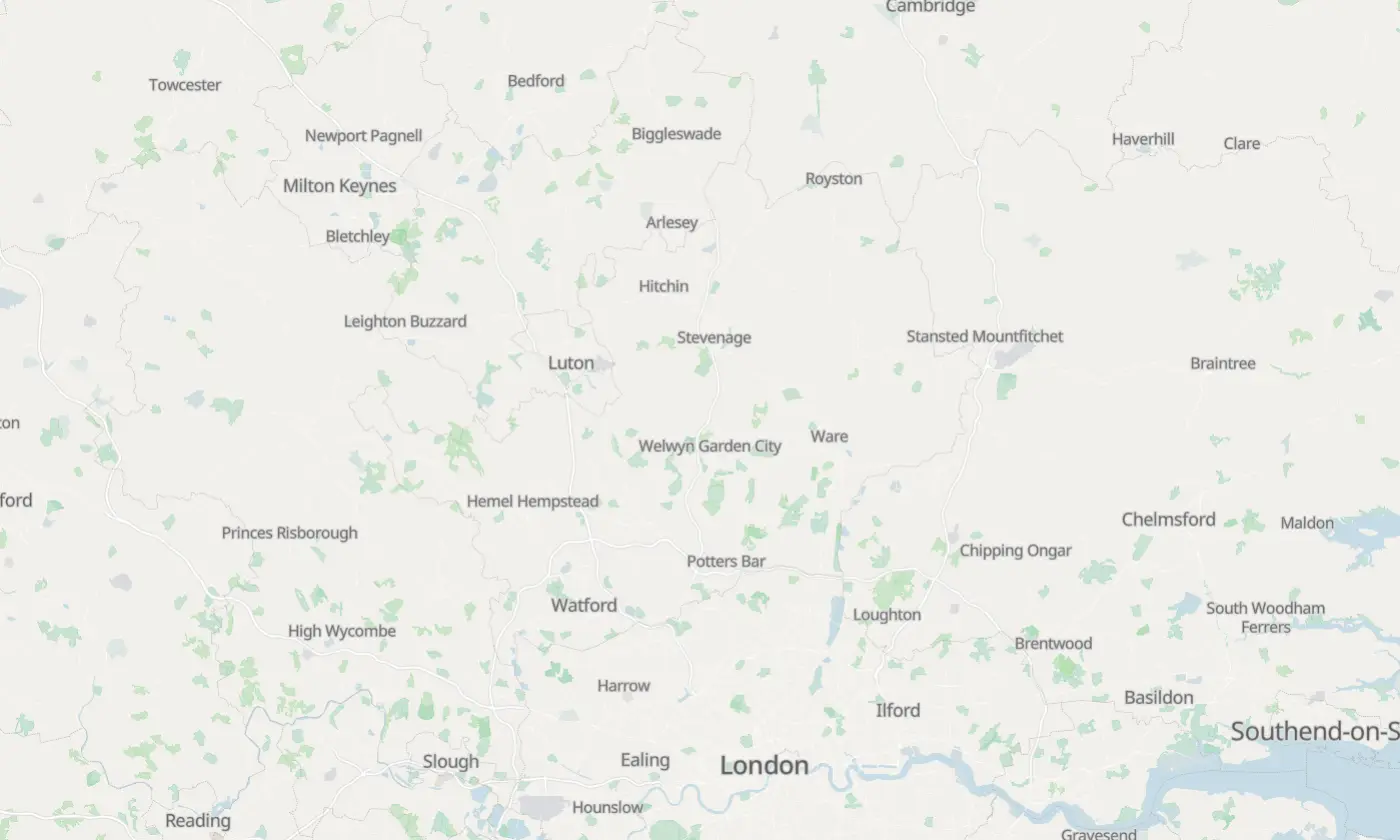
Where We Cover in Hertfordshire
Hertfordshire is a big county, and we cover all 31 of its towns and cities, not just the larger ones. Licensable work is always done by HSE-licensed contractors, as the law requires.
That includes Watford, Hemel Hempstead, Stevenage, St Albans, Welwyn Garden City, Cheshunt, Hatfield, Bishops Stortford, Borehamwood, Hitchin, Hoddesdon, Letchworth Garden City, North Watford, Harpenden, Bushey, Hertford, Rickmansworth, Potters Bar, Berkhamsted, Ware, Royston, Croxley Green, Broxbourne, West Watford, Batchworth, Tring, Chorleywood, Codicote, Baldock, Abbots Langley and Waltham Cross, and the villages and hamlets around them.
Which asbestos service do you need in Hertfordshire?
Pick a service to see what it involves. Not sure, or need more than one? Use the quote form and tell us what you have.
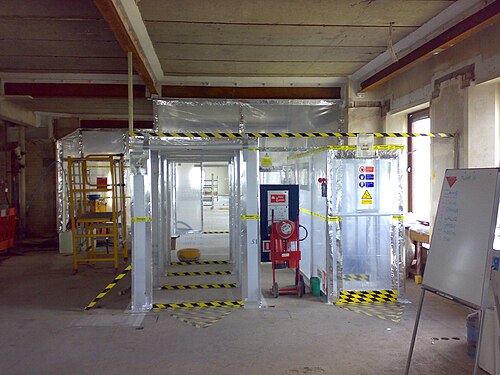
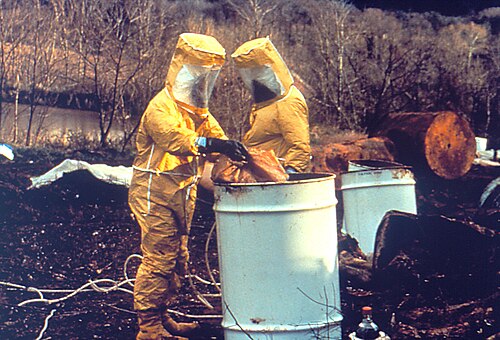
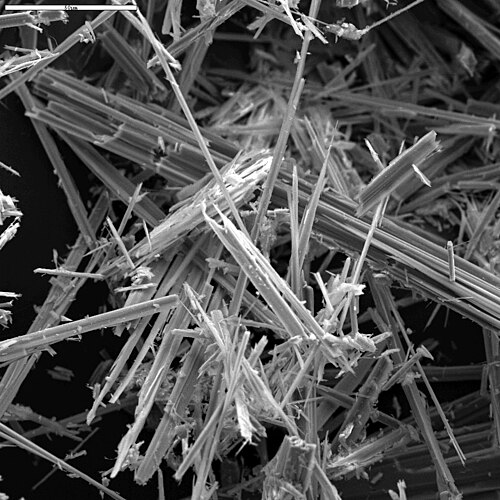
How it works in Hertfordshire
Tell us what you've got and your postcode, and we'll send a free quote with no obligation. If you go ahead, we book a specialist suited to the job, licensed where the work needs it. Get my free quote
- HSE-licensed work
- Free county-wide quote
- Compliant disposal
- Covering all of Hertfordshire
Managing & Disposing of Asbestos in Hertfordshire
In Hertfordshire that duty runs across 10 separate council areas. The buildings it covers range from town centre shops and offices to public buildings and the shared parts of blocks of flats. What the duty to manage requires is set out in full in our guide for landlords and businesses.
Disposing of asbestos in Hertfordshire
In Hertfordshire, small amounts of bonded white (chrysotile) household asbestos are accepted at the Welwyn Garden City recycling centre on Fridays and the Ware centre on Mondays, one bag (max 20kg) per visit, once a year, and only by prior booking. The service is for Hertfordshire residents only, so bring proof of address, and a van or trailer needs an ePass. It must be double-bagged and taped in UN-approved asbestos packaging (a red inner bag with asbestos warnings plus a clear outer bag); bin bags and torn packaging are refused. The county's page does not state a charge. The council's home collection service ended on 21 February 2025, so if you have more than 20kg, or another type, use a private contractor. (council source, verified 2026-10-10)
Check the site's own page before you travel. Recycling centres are often closed on set weekdays, and often set extra rules for vans, pick-ups, trailers and visitors on foot, such as permits, size limits or no access on foot.
Asbestos waste is classed as hazardous (special) waste.So there are rules on how it's wrapped, labelled, carried and recorded. We set them out in full in our disposal guide.
Councils across Hertfordshire set their own rules for households. When we arrange the work, disposal is handled for you. For the rules where you live, see our asbestos disposal by council lookup, or check typical prices in the UK asbestos removal cost report.
Asbestos Guides for Hertfordshire
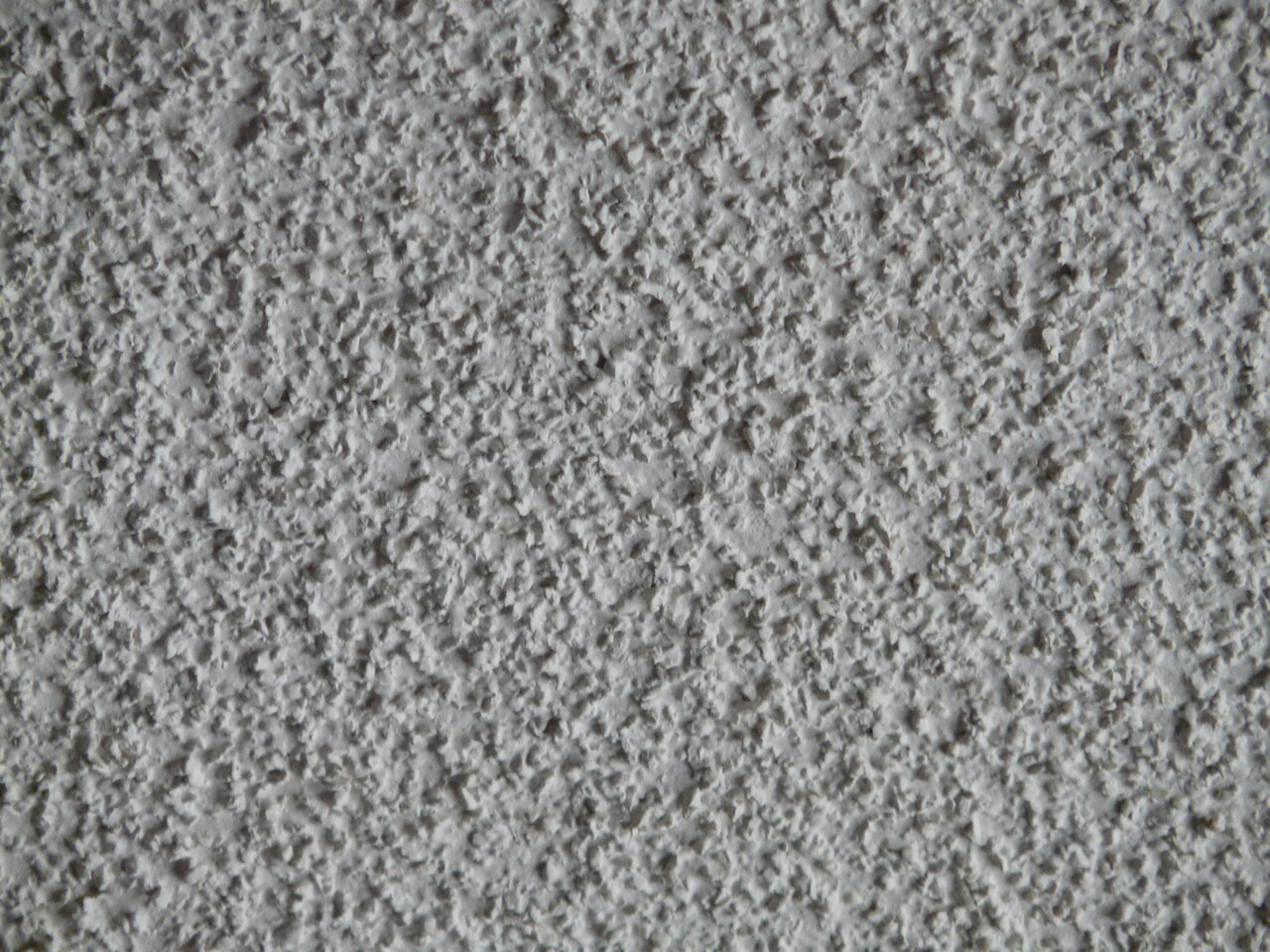
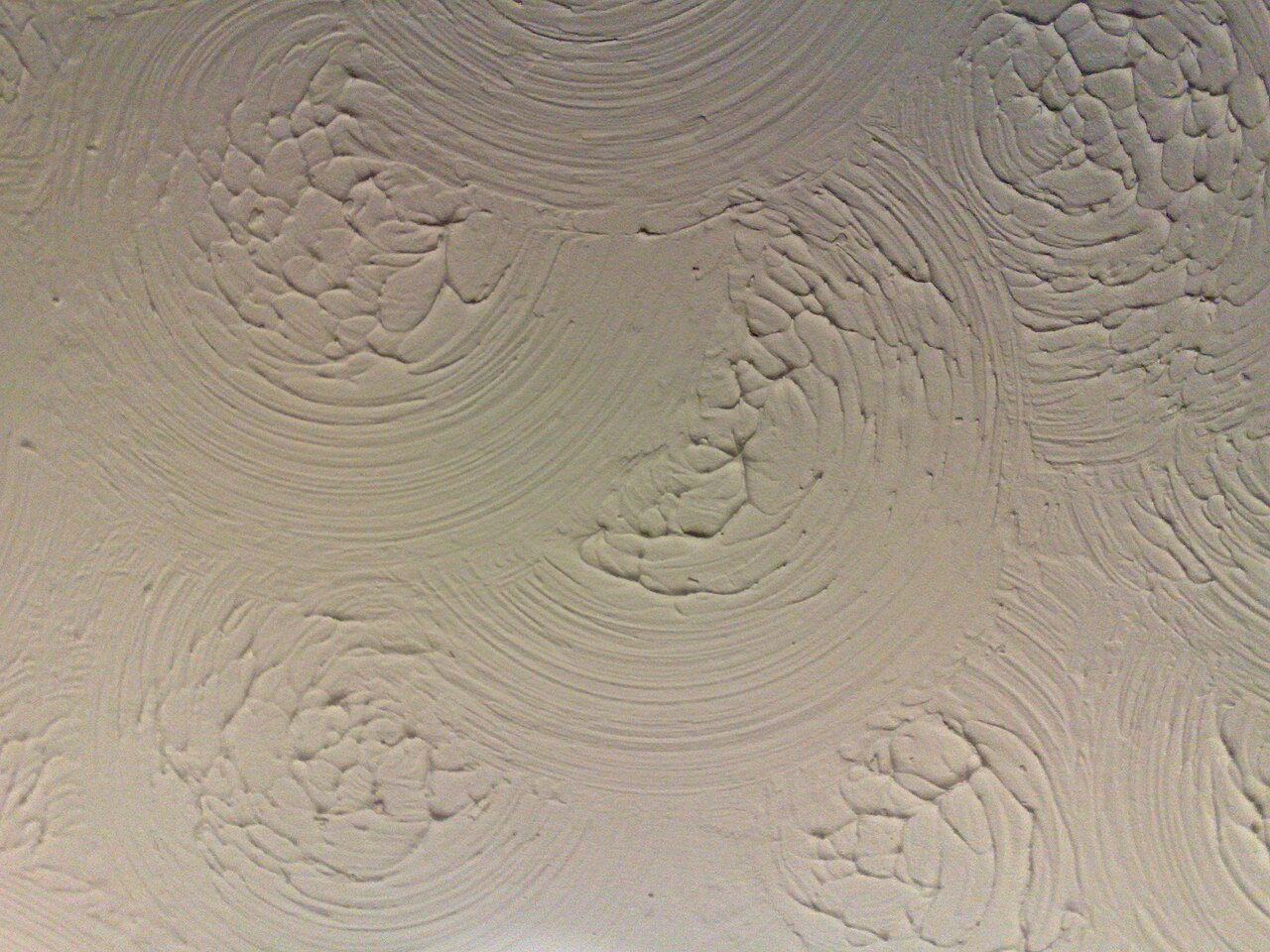
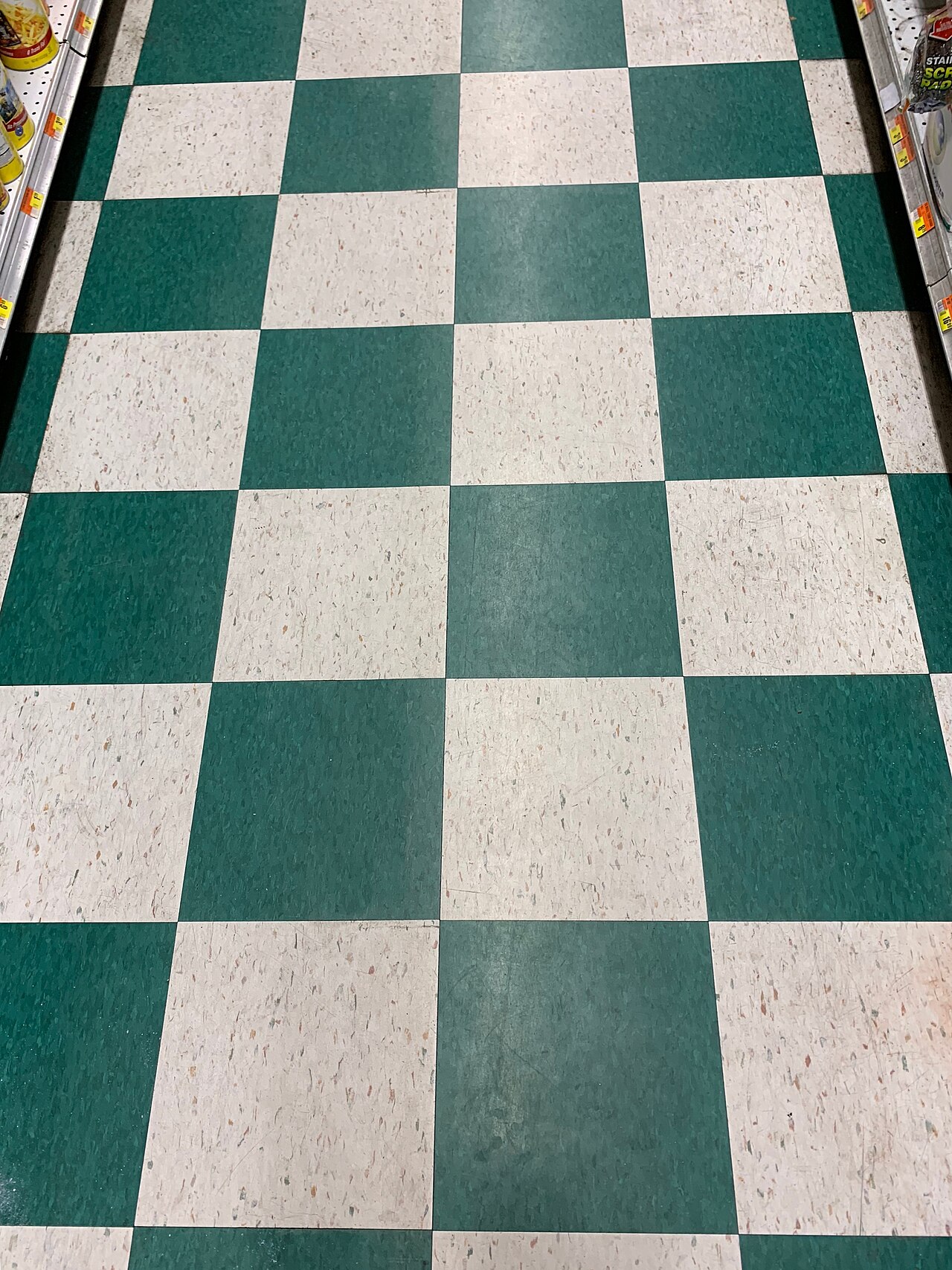
The largest group of homes in Hertfordshire is terraced houses, and of the homes built before 2000 the largest group went up between 1945 and 1964. Terraced housing tends to throw up the same short list of materials, mostly in the ceilings and in whatever was added at the back later.
Asbestos in Hertfordshire: Common Questions
Where can I dispose of asbestos in Hertfordshire?
Which parts of Hertfordshire do you cover?
Is asbestos likely in a Hertfordshire property?
Does my property contain asbestos?
Still have a question, or ready to get started?
Get a Free Quote