Asbestos Removal & Surveys in Lancashire
North West · 31 towns & cities covered
Asbestos work arranged across Lancashire, for homes, landlords and businesses alike. The contractors we work with hold the HSE licences the law requires. Every job begins with a free, no-obligation quote.
Get a Free Quote
No obligation. We'll be in touch.
Asbestos Specialists Across Lancashire
Lancashire's cotton and textile mills used a lot of asbestos. Because of that industrial past, asbestos is common in the county's older business and residential property.
Stone and brick terraces, mill buildings and post-war housing are the norm. Much of it was built before the asbestos ban.
The mill towns of east Lancashire, among them Burnley, Nelson, Accrington and Rossendale, have dense terraced housing and old industrial buildings in roughly equal measure. On the coast at Blackpool and Morecambe it's different again, with lots of guest houses and flats converted from older seaside property.
More of Lancashire's 720,650 properties were built between 1900 and 1939 than in any later period before the 1999 ban, and about 83.7% predate the ban altogether. Housing of that age has usually been re-roofed, extended or rewired at least once, and it is those later works that most often introduced asbestos.
The most common property type in Lancashire is terraced houses, at about 32.7% of the stock, followed by semi-detached houses at 24.4%. In terraced housing built before the ban, extensions, outbuildings and replacement roofs are where asbestos cement and insulating board most often turn up.
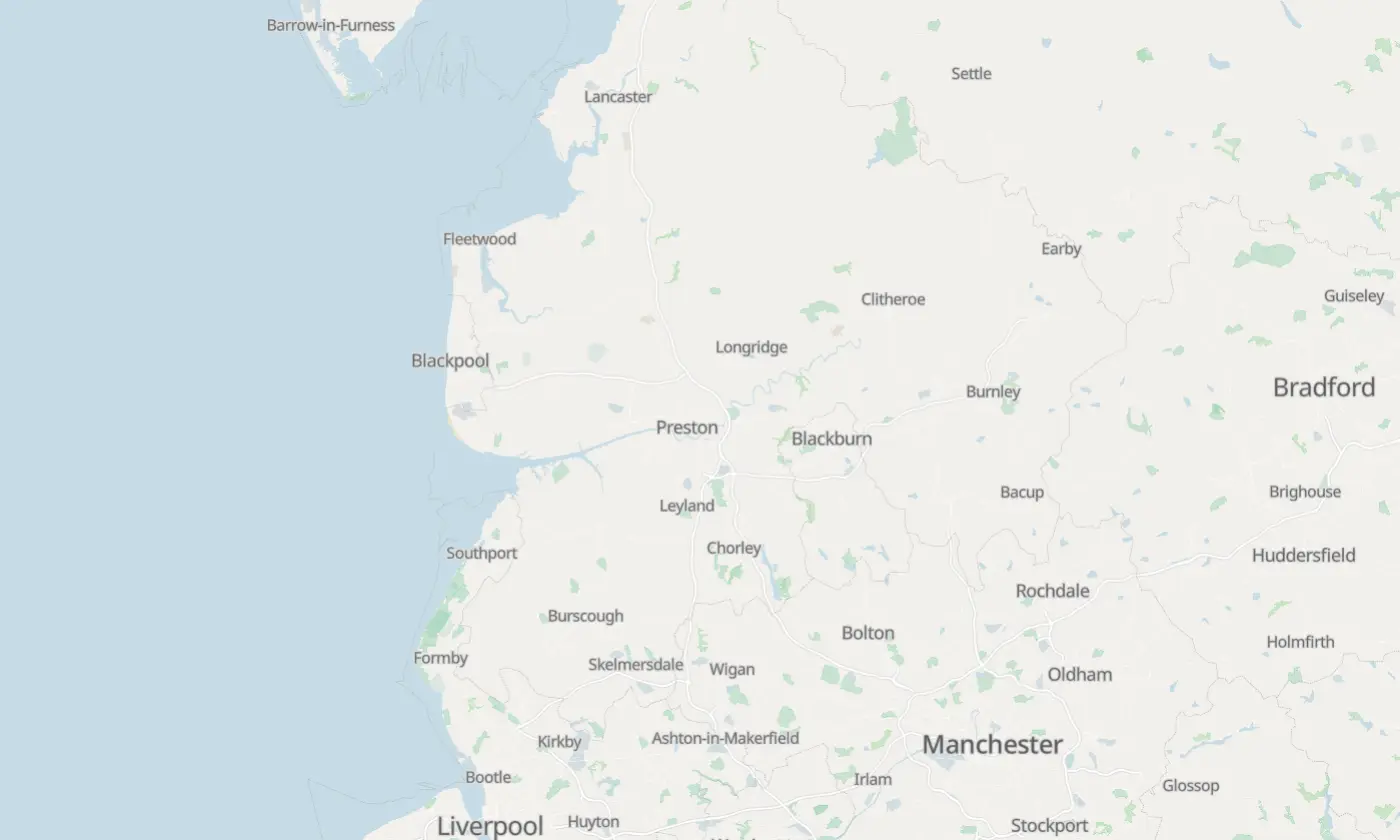
Where We Cover in Lancashire
Lancashire is a big county, and we cover all 31 of its towns and cities, not just the larger ones. Licensable work is always done by HSE-licensed contractors, as the law requires.
That includes Burnley, Preston, Blackburn, Blackpool, Fylde, Rossendale, Morecambe, Lancaster, Lytham St Annes, Skelmersdale, Leyland, Accrington, Chorley, Darwen, Thornton-Cleveleys, Nelson, Fleetwood, Ormskirk, Rawtenstall, Colne, Poulton-le-Fylde, Heysham, Haslingden, Cleveleys, Clitheroe, Clayton-le-Woods, Bacup, Great Harwood, Padiham, Barnoldswick and Brierfield, and the villages and hamlets around them.
Which asbestos service do you need in Lancashire?
Pick a service to see what it involves. Not sure, or need more than one? Use the quote form and tell us what you have.
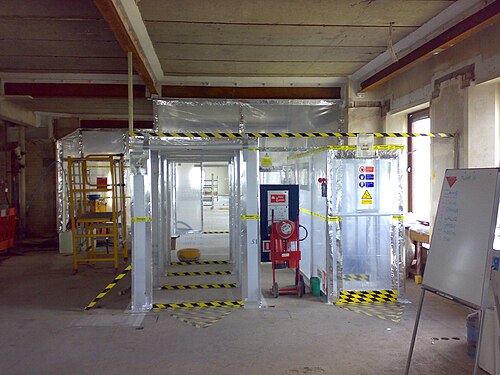
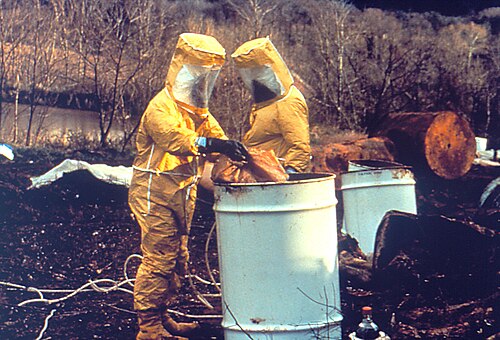
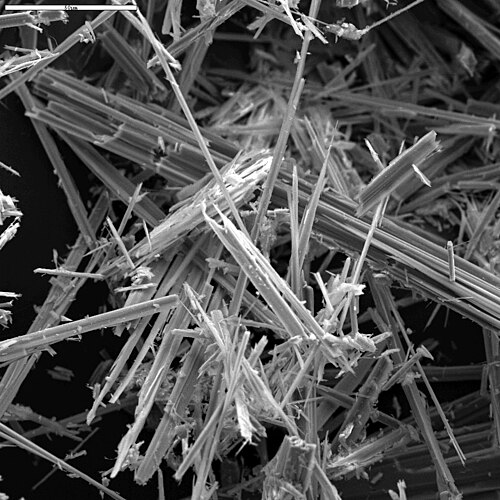
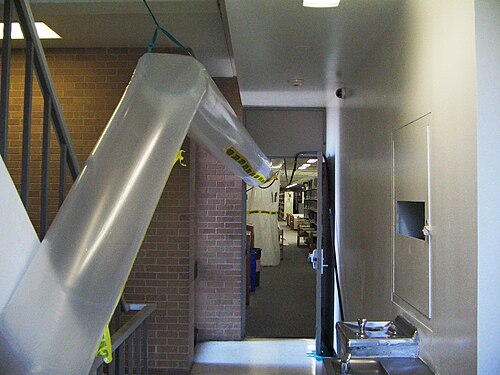
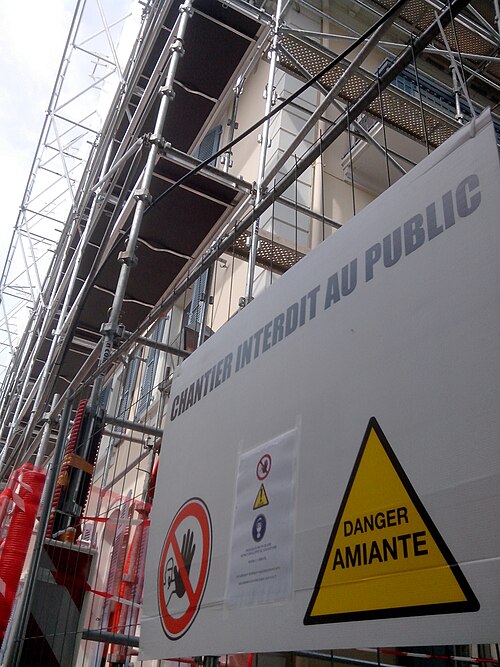
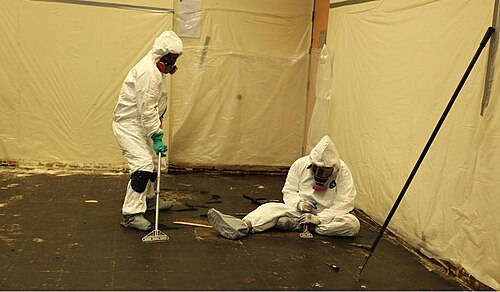
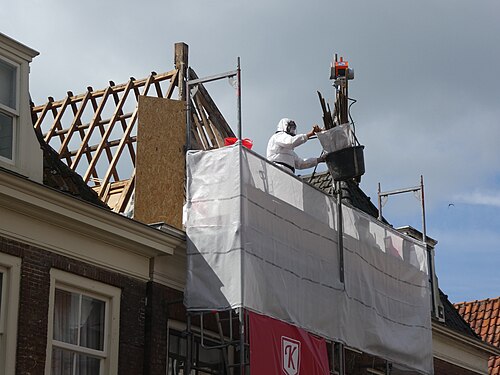
How it works in Lancashire
Tell us what you've got and your postcode, and we'll send a free quote with no obligation. If you go ahead, we book a specialist suited to the job, licensed where the work needs it. Get my free quote
- Covering all of Lancashire
- HSE-licensed work
- Free county-wide quote
- Compliant disposal
Managing & Disposing of Asbestos in Lancashire
In Lancashire that duty runs across 14 separate council areas. The buildings it covers range from town centre shops and offices to public buildings and the shared parts of blocks of flats. What the duty to manage requires is set out in full in our guide for landlords and businesses.
Disposing of asbestos in Lancashire
Ten of Lancashire's recycling centres (Altham, Burnley, Burscough, Chorley, Clitheroe, Farington, Fleetwood, Haslingden, Lancaster and Preston) accept correctly wrapped cement-bonded household asbestos, up to 6 sheets or bags per visit and 18 per year, wrapped in heavy-duty polythene, with smaller pieces double-bagged and sealed. The county's asbestos page does not state a charge; Burnley Borough Council's page says the county centres accept it free of charge. Centres provide asbestos wrapping materials free in limited quantities. All vans and trailers, including single axle trailers, must book an appointment before visiting a recycling centre; a booking can be made once in the calendar month, bookings are limited to 12 per year, and a hire van needs its hire agreement and photo ID. Pedestrians are not allowed in, and that includes parking outside and walking in. Vehicles of 3.5 tonnes or more, any vehicle or trailer with a tipping mechanism and trailers more than 3 metres long cannot use the centres. Only cement-bonded asbestos is accepted; other (fibrous) types must be removed by a registered contractor. Skelmersdale, Barnoldswick, Carnforth, Longridge and Garstang do not accept asbestos, and Lytham is not on the county's list. (council source, verified 2026-10-10)
Check the site's own page before you travel. Recycling centres are often closed on set weekdays, and often set extra rules for vans, pick-ups, trailers and visitors on foot, such as permits, size limits or no access on foot.
Asbestos waste is classed as hazardous (special) waste.So there are rules on how it's wrapped, labelled, carried and recorded. We set them out in full in our disposal guide.
Councils across Lancashire set their own rules for households. When we arrange the work, disposal is handled for you. For the rules where you live, see our asbestos disposal by council lookup, or check typical prices in the UK asbestos removal cost report.
Asbestos Guides for Lancashire
The largest group of homes in Lancashire is terraced houses, and of the homes built before 2000 the largest group went up between 1900 and 1939. Terraced housing tends to throw up the same short list of materials, mostly in the ceilings and in whatever was added at the back later.
Asbestos in Lancashire: Common Questions
Where can I dispose of asbestos in Lancashire?
Which parts of Lancashire do you cover?
Is asbestos likely in a Lancashire property?
Does my property contain asbestos?
Still have a question, or ready to get started?
Get a Free Quote