Asbestos Removal & Surveys in Somerset
South West · 18 towns & cities covered
Asbestos work arranged across Somerset, for homes, landlords and businesses alike. The contractors we work with hold the HSE licences the law requires. Every job begins with a free, no-obligation quote.
Get a Free Quote
No obligation. We'll be in touch.
Asbestos Specialists Across Somerset
Aircraft building at Yeovil and the chemical and cellophane works at Bridgwater used a lot of asbestos for heat and fire protection.
The county mixes older stone buildings with post-war estates around Taunton, Bridgwater and Weston-super-Mare. Asbestos cement is common on rural outbuildings.
Bath's Georgian centre is older than asbestos itself, but the suburbs around it and the towns across the Levels are not. Around Bridgwater, Yeovil and Weston-super-Mare, it's the post-war housing and the industrial sites where asbestos is most often found.
Somerset has around 463,800 properties, and about 77.7% of them were built before the 1999 asbestos ban, the biggest share of those in the 1965 to 1982 period. What decides the risk is whether anything is disturbed, so intact material left alone is usually the lower-risk option.
The most common property type in Somerset is terraced houses, at about 23.9% of the stock, followed by semi-detached houses at 22.8%. In terraced housing built before the ban, extensions, outbuildings and replacement roofs are where asbestos cement and insulating board most often turn up.
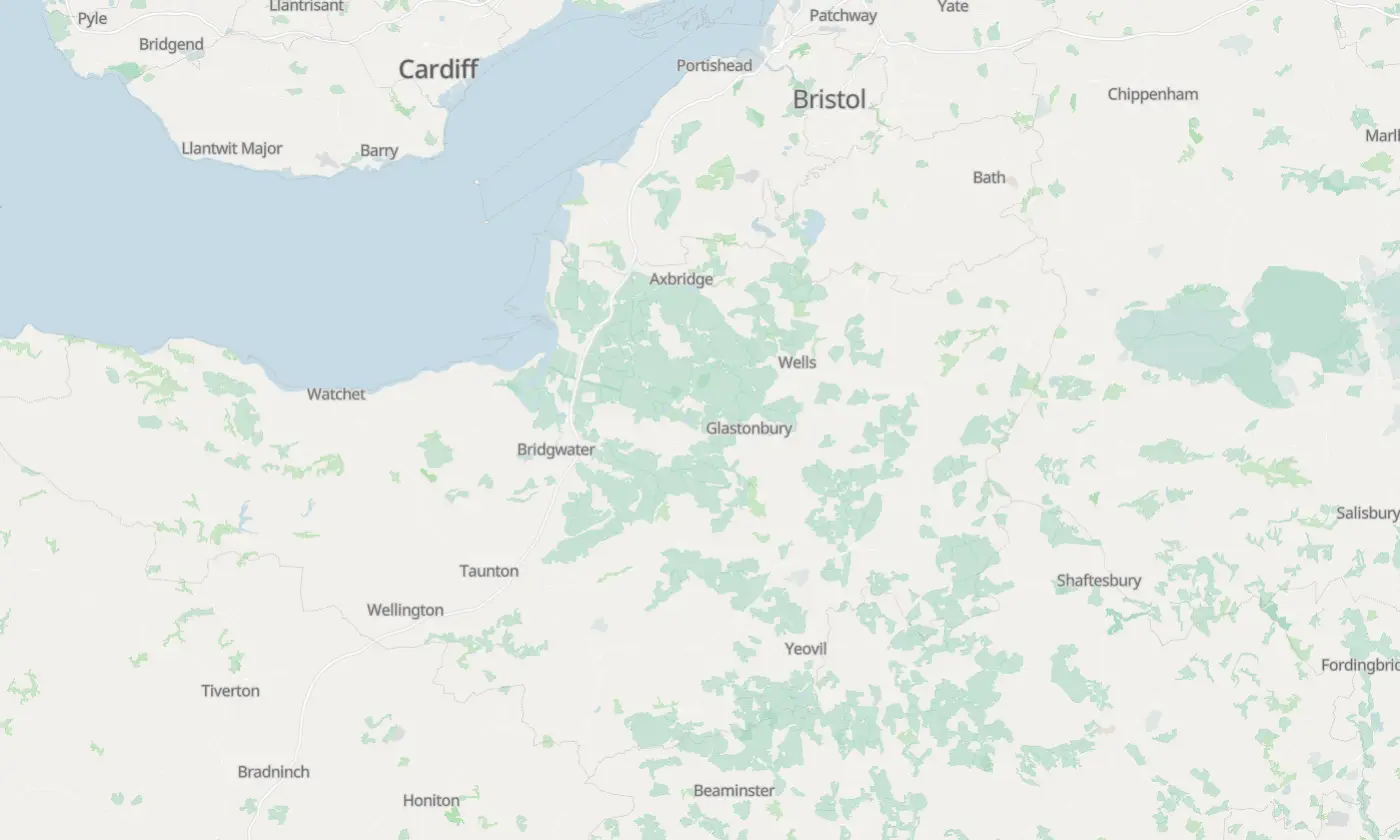
Where We Cover in Somerset
We arrange asbestos work in all 18 towns and cities across Somerset, and in the villages around them. HSE-licensed contractors always do the licensable work, as the law requires.
That includes Bath, Weston-super-Mare, Taunton, Yeovil, Bridgwater, Portishead, Frome, Burnham-on-Sea, Clevedon, Nailsea, Keynsham, Chard, Midsomer Norton, Street, Minehead, Wells, Shepton Mallet and Yatton, and the villages and hamlets around them.
Which asbestos service do you need in Somerset?
Pick a service to see what it involves. Not sure, or need more than one? Use the quote form and tell us what you have.
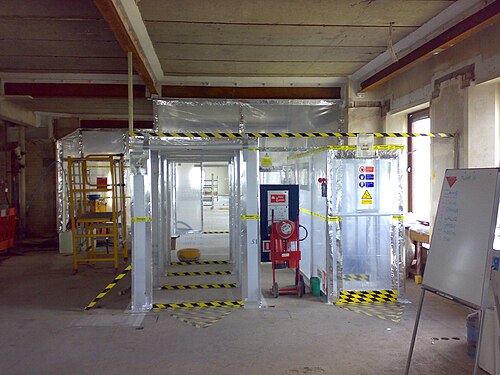
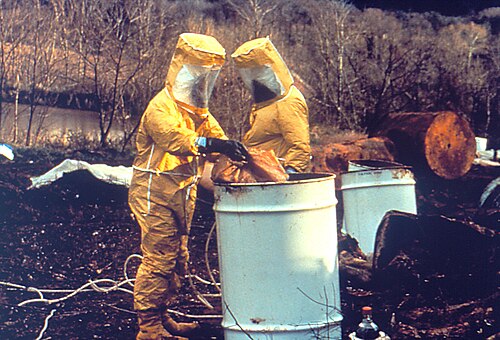
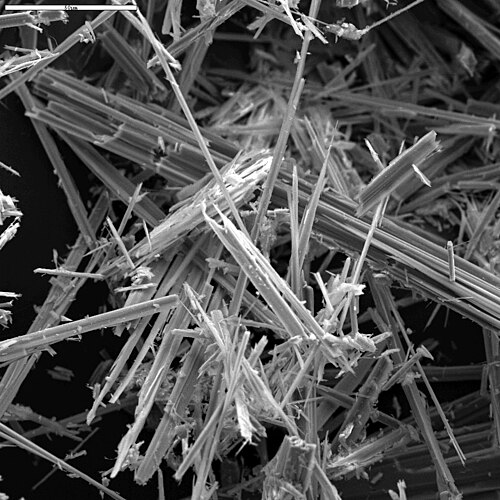
How it works in Somerset
Tell us what you've got and your postcode, and we'll send a free quote with no obligation. If you go ahead, we book a specialist suited to the job, licensed where the work needs it. Get my free quote
- Covering all of Somerset
- HSE-licensed work
- Free county-wide quote
- Compliant disposal
Managing & Disposing of Asbestos in Somerset
It applies to business premises, public buildings and the shared parts of blocks of flats right across Somerset. What the duty to manage requires is set out in full in our guide for landlords and businesses.
Disposing of asbestos in Somerset
Somerset accepts cement-bonded sheet asbestos from the home at seven recycling sites: Bridgwater (Saltlands), Frome, Highbridge, Minehead, Street, Taunton (Priorswood) and Yeovil. Each household can bring up to eight 50-litre sacks of construction waste (asbestos included) free each month across up to four visits, with extra asbestos charged at £19.30 per sheet (card only, not cash), and pre-booking required. It must be securely double-bagged or wrapped in plastic (clear heavy-duty if possible) and sealed, with no holes, rips or tears, or it will be refused; staff cannot help unload. Some vehicles and trailers need a free permit, available to Somerset residents only, and Bridgwater does not allow access on foot. You must take your own waste: if it is brought by someone you are paying to do the work it is classed as commercial waste and is refused or charged. A separate paid home collection is available: £352.20 per load (up to one tonne) plus £18.90 per sheet or sack, until 31 March 2027. (council source, verified 2026-10-10)
Check the site's own page before you travel. Recycling centres are often closed on set weekdays, and often set extra rules for vans, pick-ups, trailers and visitors on foot, such as permits, size limits or no access on foot.
Asbestos waste is classed as hazardous (special) waste.So there are rules on how it's wrapped, labelled, carried and recorded. We set them out in full in our disposal guide.
Councils across Somerset set their own rules for households. When we arrange the work, disposal is handled for you. For the rules where you live, see our asbestos disposal by council lookup, or check typical prices in the UK asbestos removal cost report.
Asbestos Guides for Somerset
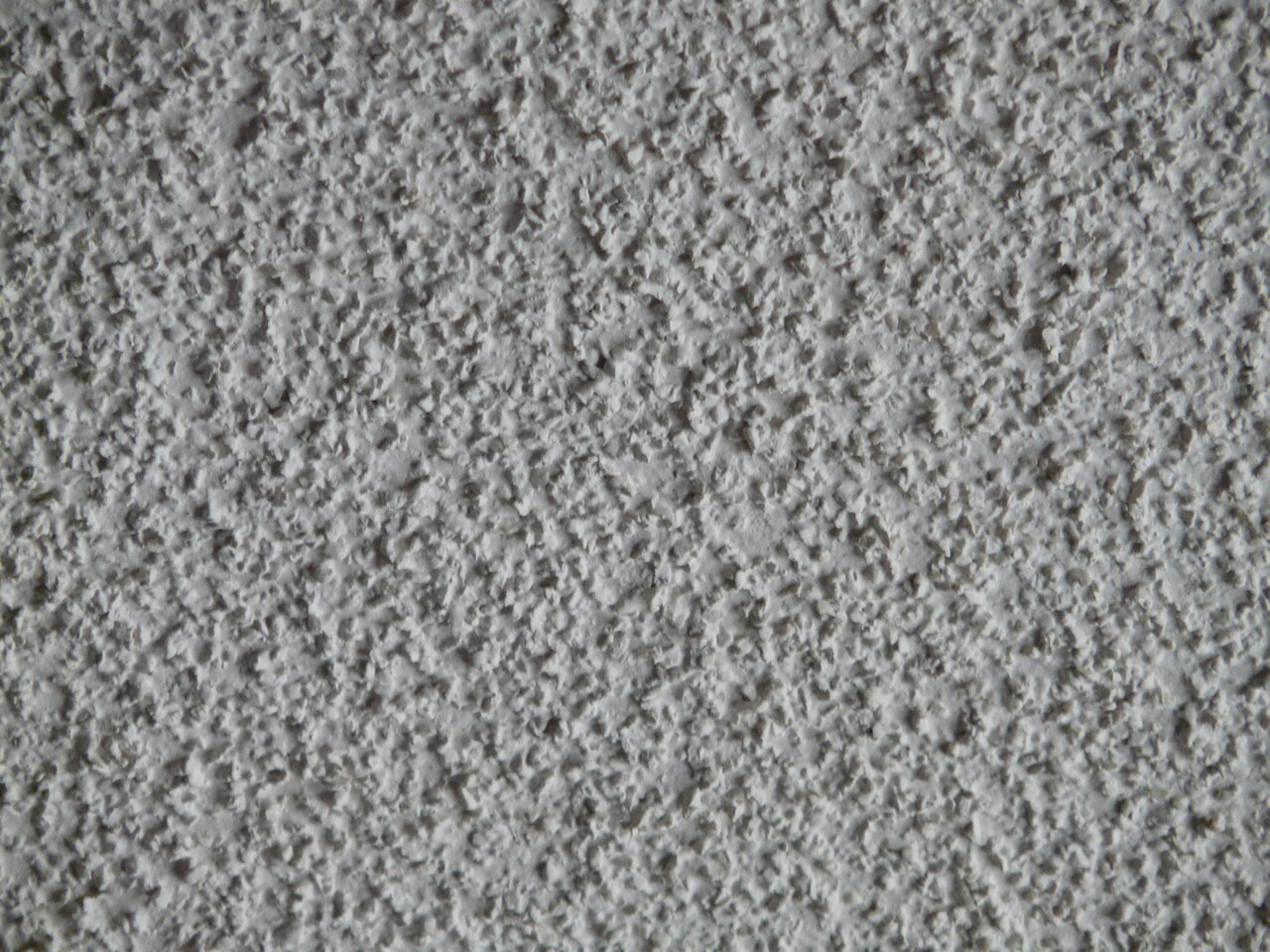
The largest group of homes in Somerset is terraced houses, and of the homes built before 2000 the largest group went up between 1965 and 1982. Terraced housing tends to throw up the same short list of materials, mostly in the ceilings and in whatever was added at the back later.
Asbestos in Somerset: Common Questions
Where can I dispose of asbestos in Somerset?
Does Somerset charge to dispose of asbestos?
Which parts of Somerset do you cover?
Is asbestos likely in a Somerset property?
Does my property contain asbestos?
Still have a question, or ready to get started?
Get a Free Quote