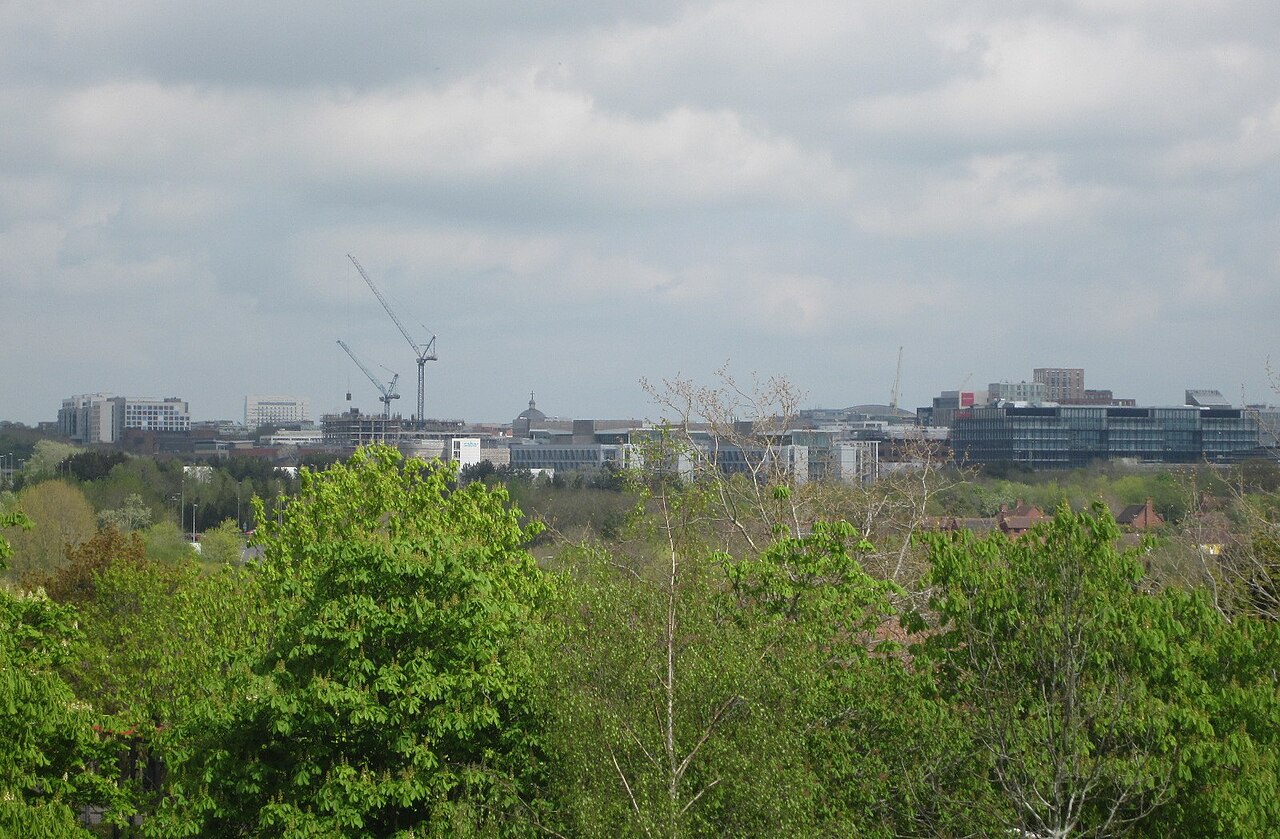
Central Milton Keynes skyline

Asbestos Removal in Milton Keynes

Buckinghamshire, South East

Asbestos removal, surveys, testing and management across Milton Keynes.

Get a Free Quote

No obligation. We'll be in touch.

No obligation. Your details are only used to arrange your quote.

Asbestos disposal in Milton Keynes: what the council says

We can get it taken down and taken away for you, with the waste paperwork done. Tell us what you've got and we'll send you a free quote.

Get my free quote

Only a little, already taken down? What Milton Keynes says

Milton Keynes

In Milton Keynes, only the New Bradwell recycling centre is licensed to accept household sheet asbestos from Milton Keynes householders, no other MK centre accepts it, and commercial, construction or demolition asbestos is not accepted.

The full rule
  • It must be securely wrapped (double-bagged or taped in polythene sheeting) and small enough to fit through the slot of the containment bin, and a slot must be booked, up to seven days in advance.
  • The council says visits to the tip are free.
  • You will not be allowed on site without your booking confirmation email and proof of address, such as a driving licence (a council notice dated 7 August says a booking is still valid if the confirmation email did not arrive).
  • New Bradwell takes cars, cars with trailers and vans under 2 metres high, with a maximum vehicle weight of 3.5 tonnes, and does not allow vans with trailers.
  • The council cannot collect asbestos via bin or bulky-waste collections, so larger amounts need a licensed contractor.
Cost: free for small amounts Council's own pageChecked Oct 2026

Council schemes are for small amounts that have already been taken down and wrapped. For anything more, or anything still in place, we arrange the whole job in Milton Keynes: removal, collection and disposal. Get a free quote

Not your council? Check any UK council.

Asbestos Services Across Milton Keynes

Milton Keynes, in Buckinghamshire, was made a new town in 1967, so much of it was built in the late twentieth century. It also took in older towns such as Bletchley, Wolverton and Stony Stratford, which bring Victorian and earlier housing into the mix. The asbestos ban didn't take full effect until 1999. So much of this stock, including newer buildings from the 1970s, 1980s and 1990s, can still contain asbestos.

Across Milton Keynes and the area around it, we arrange asbestos removal, surveys and testing. The specialist contractors we work with also reach Bedford, Northampton, Luton, Aylesbury and Buckingham. You might own an older home in one of the absorbed towns, live in later new-town housing or manage business buildings. Treat anything suspect with care. Age is no guarantee of safety, and looks never confirm asbestos. Get anything doubtful surveyed or lab-tested before work begins.

We cover the MK postcode area across Milton Keynes and the surrounding towns.

Milton Keynes's buildings and asbestos

66.2% of properties in the Milton Keynes council area were built before 2000

That's 84,880 of 128,300. Asbestos wasn't fully banned until 1999. Only a survey or a test can tell you about one property: do you need an asbestos survey on a house?

More about the buildings around Milton Keynes

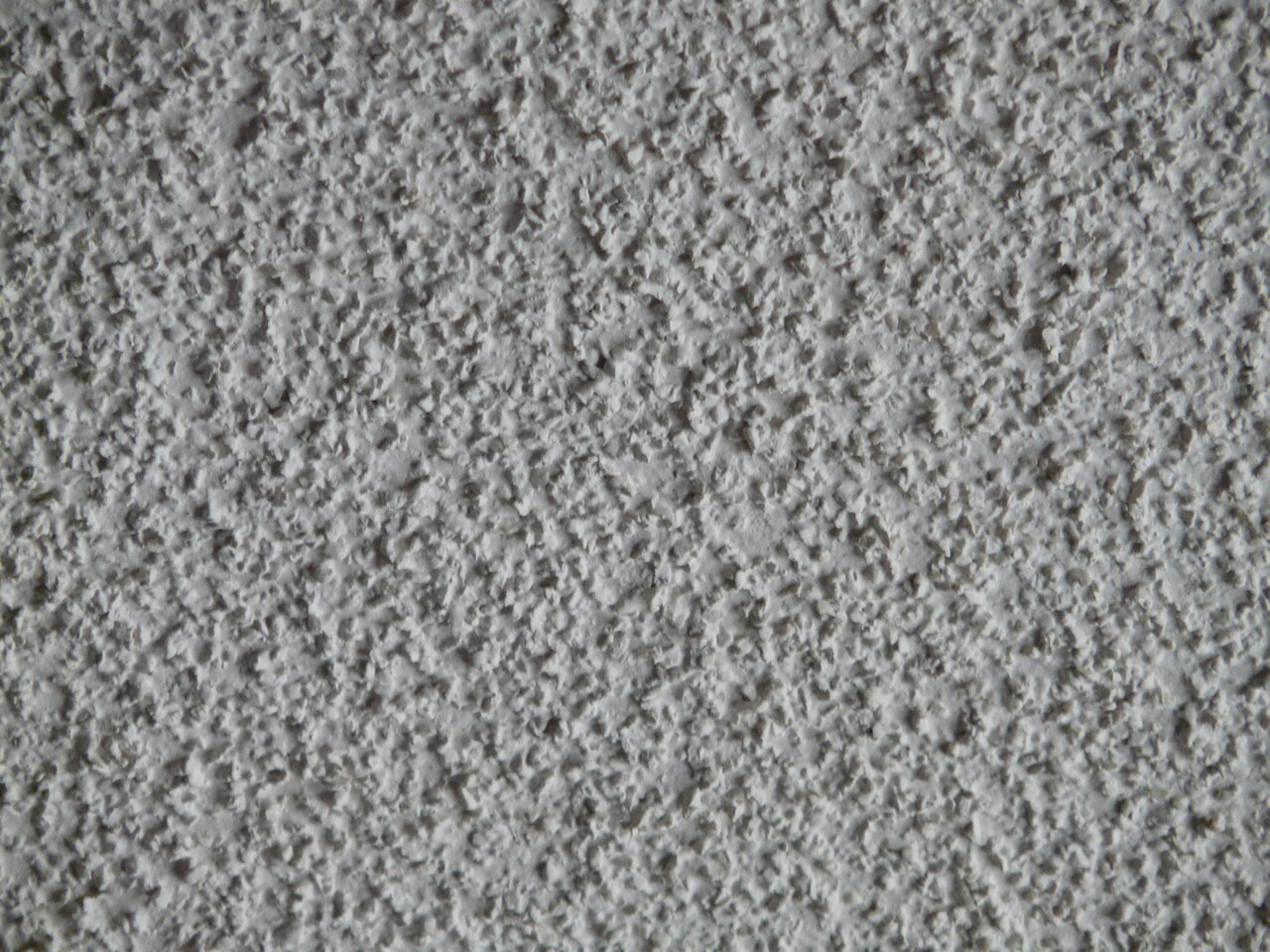
In terraced housing the materials that turn up most often are textured coatings on ceilings and walls, insulating board around fireplaces, airing cupboards and behind boilers, and asbestos cement in outbuildings, garage roofs, gutters and downpipes. That matters in the Milton Keynes council area because terraced houses are the largest group there, 27% of 128,300 properties, and around 66.2% of the stock predates the 1999 asbestos ban. The next largest group is detached houses at 24.4%, usually with a garage or outbuilding of its own to check. The largest group was built since 2000. Property built from 2000 onwards is after the ban, so it should be free of asbestos as built. Anything older on the same plot, and any part retained from an earlier building, is a different matter. By period, 4.6% were built before 1900, 2.1% between 1919 and 1939 and 33.6% since 2000. None of that tells you whether a particular property contains asbestos; only a survey or a laboratory test can.

How it works in Milton Keynes

Tell us what you've got and your postcode, and we'll send a free quote with no obligation. If you go ahead, we book a specialist suited to the job, licensed where the work needs it. Get my free quote

Which asbestos service do you need in Milton Keynes?

Pick a service to see what it involves. Not sure, or need more than one? Use the quote form and tell us what you have.

Asbestos Guides for Milton Keynes

The largest group of homes in the Milton Keynes council area is terraced housing, and more were built since 2000, after the ban, than in any earlier period. It is the older stock where asbestos turns up.

Asbestos in Milton Keynes: Common Questions

Do you provide asbestos services in Milton Keynes?
Yes. We arrange asbestos removal, surveys, testing, disposal, encapsulation and management across Milton Keynes and the wider Buckinghamshire area, for homeowners, landlords and businesses. The work is done by the specialist contractors we work with. Every job starts with a free quote, with no obligation. Any suspect material is checked by a professional survey or a test at an accredited lab.
Is asbestos likely in a Milton Keynes property?
Around 66.2% of properties in the Milton Keynes council area (84,880 of 128,300) were built before 2000. Asbestos wasn't fully banned in the UK until 1999. So most local buildings date from a time when it was still in use. The largest single group was built since 2000, after the ban, but the older periods together make up that 66.2%. That doesn't mean any one property contains asbestos. Only a survey or a lab test can tell you that. Figures: Valuation Office Agency, Council Tax: stock of properties 2026, table CTSOP4.0 (31 March 2026).
Does my property contain asbestos?
If your property was built or refurbished before 2000, it may well contain asbestos. It wasn't fully banned in the UK until 1999. It often turns up in roof sheets, textured coatings like Artex, floor tiles, pipe lagging and insulation board. The only reliable way to know for sure is a professional survey.

Still have a question, or ready to get started?

Get a Free Quote