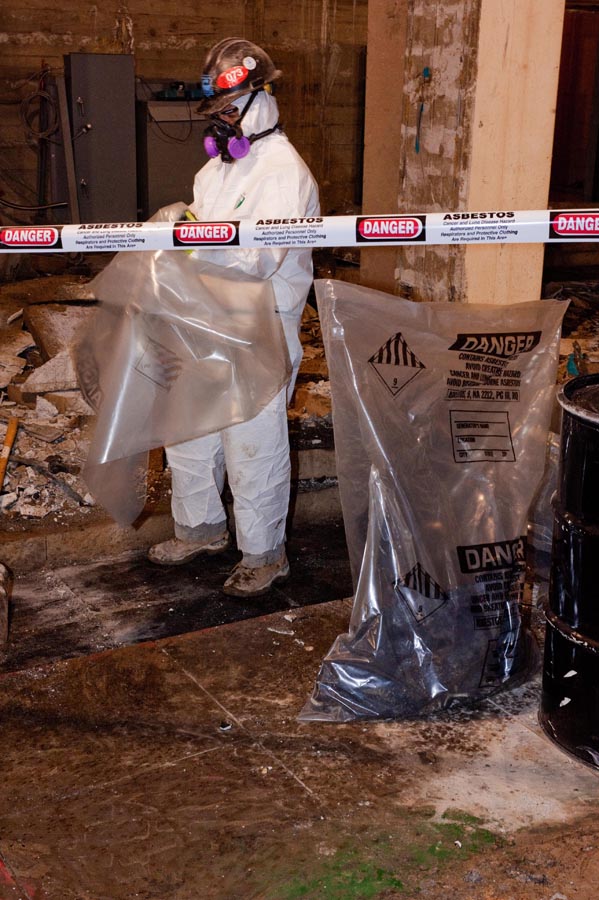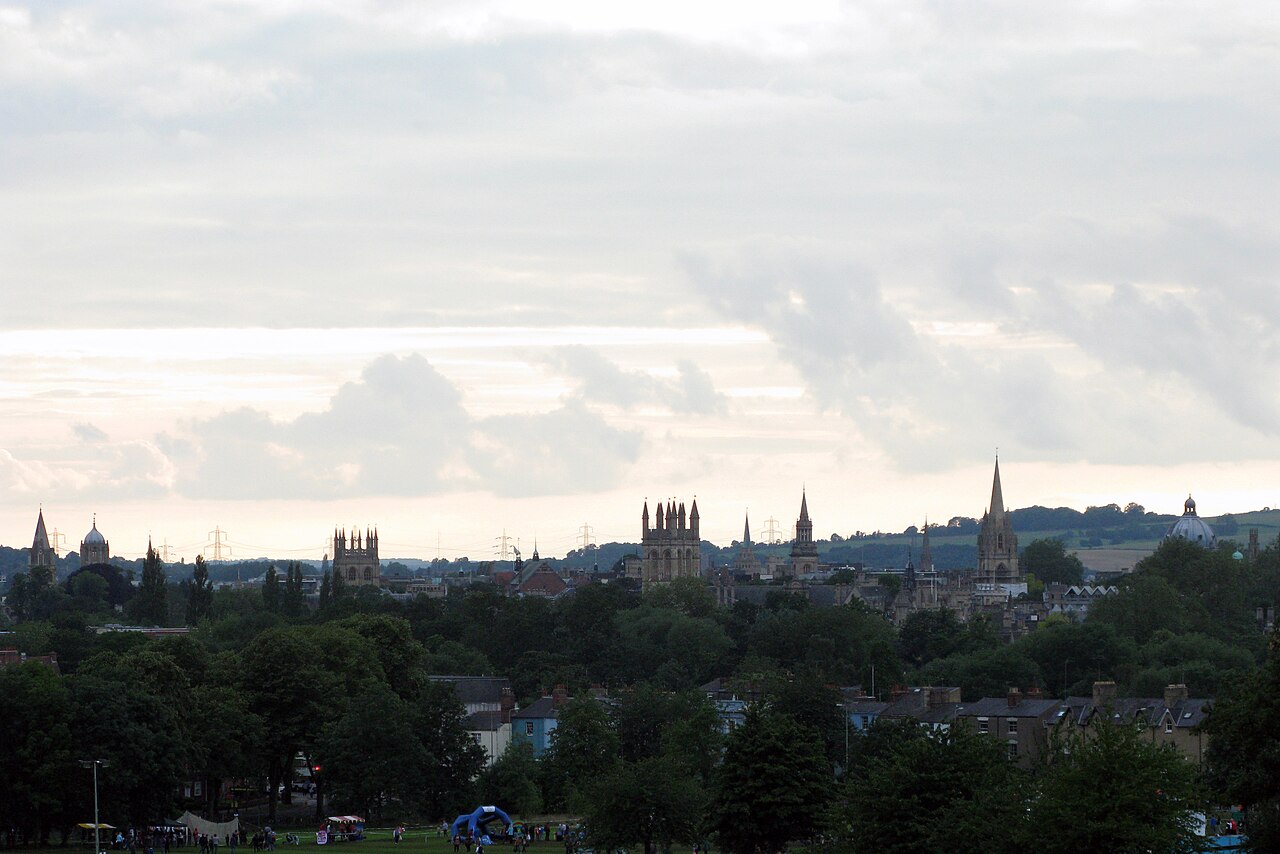
Oxford skyline of spires

Asbestos Removal in Oxford

Oxfordshire, South East

Homeowner, landlord or business in Oxford? We cover asbestos surveys, testing, removal, disposal and management.

Get a Free Quote

No obligation. We'll be in touch.

No obligation. Your details are only used to arrange your quote.

Asbestos disposal in Oxford: what the council says

We can get it taken down and taken away for you, with the waste paperwork done. Tell us what you've got and we'll send you a free quote.

Get my free quote

Only a little, already taken down? What Oxfordshire says

Oxfordshire

Oxfordshire accepts household cement-bonded asbestos (such as pipes or garage roofing) at three centres, Ardley, Redbridge and Dix Pit, and you must book an asbestos visit at least 48 hours ahead.

The full rule
  • The limit is four sheets per visit, each no larger than 2m by 1m, with no more than two sheets wrapped together, and you must be able to lift the package yourself.
  • The county lists a charge of £5.70 per 1m by 1m sheet for DIY waste over your free allowance, paid by contactless card on site; confirm what you will pay when you book.
  • Keep sheets damp, do not saw or break them, double-wrap in 1000-gauge polythene and bring proof of address.
  • Arrive in the vehicle named on your booking or you may be refused.
  • Some vans and trailers need a free permit and some vehicles are not allowed in at all.
  • The council says Redbridge will close for about three months in 2026 for essential works, so check it is open.
  • Only Oxfordshire residents can book.
  • Other asbestos types must go to a professional contractor.
Cost: free allowance, then charged Council's own pageChecked Oct 2026

Council schemes are for small amounts that have already been taken down and wrapped. For anything more, or anything still in place, we arrange the whole job in Oxford: removal, collection and disposal. Get a free quote

Not your council? Check any UK council.

Your Local Asbestos Specialists in Oxford

Oxford is a historic university city in Oxfordshire. Its buildings run from college and institutional buildings to Victorian terraces, inter-war and post-war housing and industrial units around places like Cowley. A large share of this was built before asbestos was banned. So asbestos can be found in homes, flats and workplaces across the city. It usually sits safely in place until it's disturbed.

Across Oxford and the rest of Oxfordshire nearby, we arrange asbestos removal, surveys and testing. The specialist contractors we work with also reach Abingdon, Bicester, Witney, Kidlington and Didcot. Improving a period home, meeting a landlord's obligations or fitting out a business? The safe route is the same. Asbestos can't be identified by eye, so anything suspect must be surveyed or lab-tested before it's disturbed.

We cover the OX postcode area across Oxford and the surrounding towns.

Oxford's buildings and asbestos

80.4% of properties in Oxford were built before 2000

That's 51,470 of 64,030. Asbestos wasn't fully banned until 1999. Only a survey or a test can tell you about one property: do you need an asbestos survey on a house?

More about the buildings around Oxford

In flats and maisonettes the risk is often in the parts nobody owns individually: service risers, ducting, communal cupboards and ceiling voids, where insulating board and lagging were widely used. Inside a flat, textured coatings and floor tiles are the common ones. That matters in Oxford because flats and maisonettes are the largest group there, 36.5% of 64,030 properties, and around 80.4% of the stock predates the 1999 asbestos ban. The next largest group is terraced houses at 31.3%, where party walls and shared roof spaces mean neighbouring work can disturb material next door. The largest group was built between 1900 and 1939. Property from this period was built before asbestos use peaked, so where asbestos is present it usually arrived with later work: post-war repairs, added textured coatings, new outbuilding roofs and heating upgrades. That later work is common enough in housing of this age that it still needs checking before anything is disturbed. By period, 15.7% were built before 1900, 20.8% between 1919 and 1939 and 19.4% since 2000. None of that tells you whether a particular property contains asbestos; only a survey or a laboratory test can.

How it works in Oxford

Tell us what you've got and your postcode, and we'll send a free quote with no obligation. If you go ahead, we book a specialist suited to the job, licensed where the work needs it. Get my free quote

Which asbestos service do you need in Oxford?

Pick a service to see what it involves. Not sure, or need more than one? Use the quote form and tell us what you have.

Asbestos Guides for Oxford

The largest group of homes in Oxford is flats and maisonettes, and the largest group by age was built between 1900 and 1939. In flats the material is as often in the parts nobody owns individually as it is inside any one home, which changes who is responsible for it.

Asbestos in Oxford: Common Questions

Do you provide asbestos services in Oxford?
Yes. We arrange asbestos removal, surveys, testing, disposal, encapsulation and management across Oxford and the wider Oxfordshire area, for homeowners, landlords and businesses. The work is done by the specialist contractors we work with. Every job starts with a free quote, with no obligation. Any suspect material is checked by a professional survey or a test at an accredited lab.
Is asbestos likely in a Oxford property?
Around 80.4% of properties in Oxford (51,470 of 64,030) were built before 2000. Asbestos wasn't fully banned in the UK until 1999. So most local buildings date from a time when it was still in use. The largest group of local homes was built between 1900 and 1939. That doesn't mean any one property contains asbestos. Only a survey or a lab test can tell you that. Figures: Valuation Office Agency, Council Tax: stock of properties 2026, table CTSOP4.0 (31 March 2026).
Does my property contain asbestos?
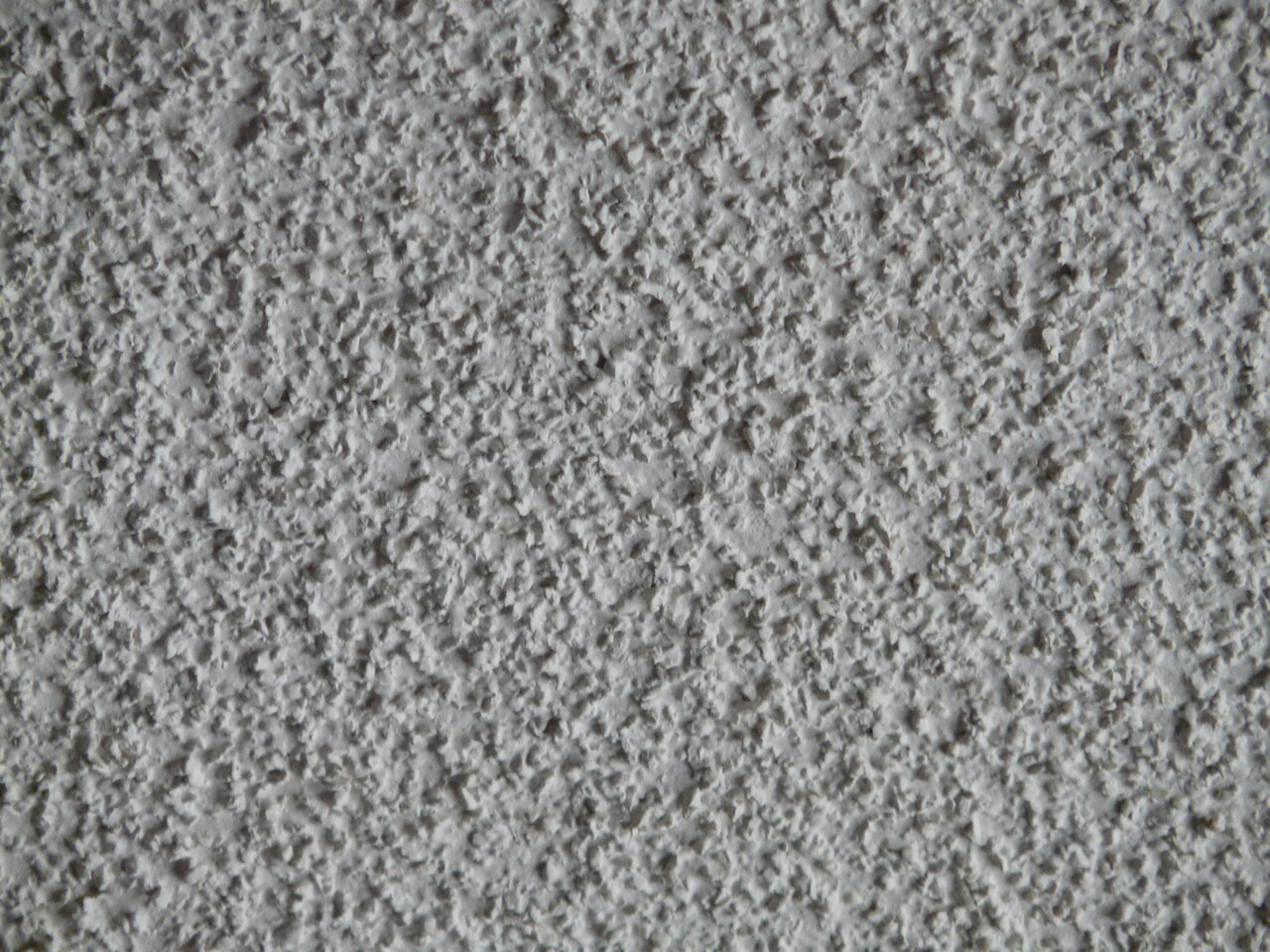
If your property was built or refurbished before 2000, it may well contain asbestos. It wasn't fully banned in the UK until 1999. It often turns up in roof sheets, textured coatings like Artex, floor tiles, pipe lagging and insulation board. The only reliable way to know for sure is a professional survey.

Still have a question, or ready to get started?

Get a Free Quote