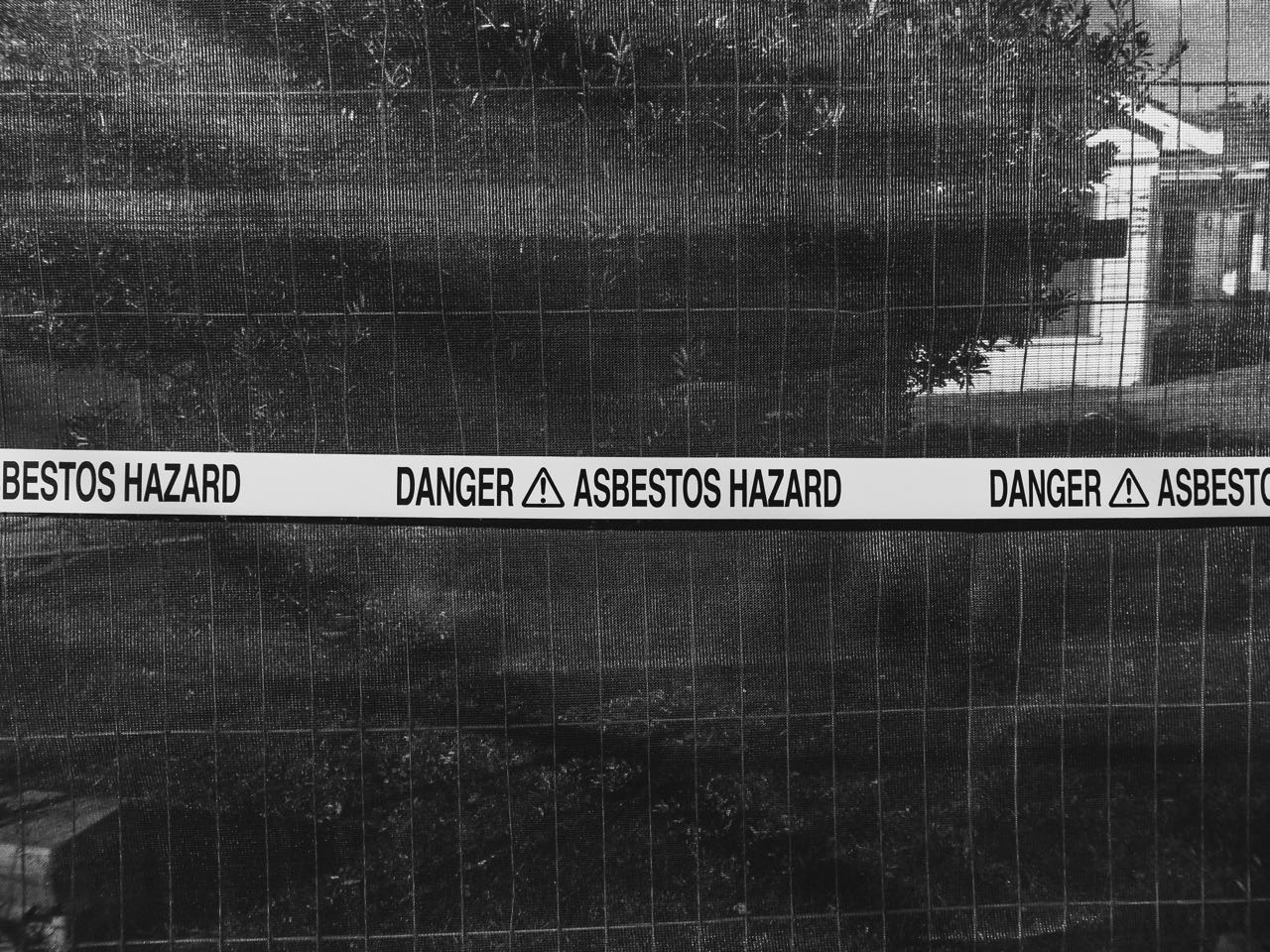
Do You Need a Licensed Asbestos Contractor?
It depends on the material, its condition and the job. There's no set amount below which you never need a licence. Sprayed coatings, pipe lagging, loose fill and most insulating board work need a contractor licensed by HSE. Most work on asbestos cement, Artex and vinyl floor tiles doesn't, but it still needs trained workers and the right controls.
Not sure what kind of job you have? What to do now
- Leave it alone. Don't drill, cut, sand or break anything you think may be asbestos.
- Find out what it is. The material decides whether a licence is needed, and a test is the reliable way to know. We arrange asbestos testing.
- Get a quote and ask which kind of work it is. We arrange removal across the UK. Work that needs a licence goes to an HSE-licensed contractor.
What's the difference between licensed and non-licensed asbestos work?
There are three kinds of asbestos work. HSE says the choice "must be based on the risk". In practice, that means the material, its condition and the job.
Licensed work
- Examples: removing sprayed coatings, work that may disturb pipe lagging, loose fill insulation, millboard, insulating board work that isn't short, and clearing up a lot of debris.
- Only a contractor licensed by HSE can do it. It must normally be notified at least 14 days before it starts.
Notifiable non-licensed work (NNLW)
- No licence, but the firm must notify the work before it starts, mark off the area, arrange medical examinations for the workers and keep records for 40 years.
- Examples: removing a large area of Artex with steam or gel, asbestos cement that's badly broken up, and a short job removing insulating board during a refurbishment.
Non-licensed work
- Examples: removing asbestos cement sheets and gutters without breaking them, small areas of Artex, and sealing material in good condition.
- Still done by trained workers, after a risk assessment, with the right controls.
The employer of the people doing the work decides which kind it is. In practice, that's the firm you hire. Ask them which kind your job is, and why.
Which kind is your job? Material by material
Here's HSE's usual answer for the asbestos materials found in homes. The material's condition, and how it's removed, can move a job into a stricter kind.
Non-licensed doesn't mean anyone can do it. It's still work for trained workers.
Pipe lagging
Usually licensed
Removing it is licensed, and so is most other work that may disturb it. HSE's example of an exception is repairing minor damage to a small section, which is still notifiable.
Sprayed coatings
Usually licensed
Removing sprayed coatings, sometimes called limpet asbestos, is licensed work.
Loose fill insulation
Usually licensed
Any work involving loose fill insulation is licensed.
Insulating board (AIB)
Depends on the job
Licensed unless the job is short (no more than two hours in any seven days, no one person more than an hour) and unlikely to release much dust. Board in poor condition, or more than two small panels a week, needs a licensed contractor.
Soffits and fascias
Depends on the job
HSE lists asbestos cement soffits as normally non-licensed and insulating board soffits as usually licensed. A test tells you which you have.
Garage roof or cement sheets
Usually non-licensed
Non-licensed if the sheets come off without breaking up. If they break up and create a lot of dust, the work becomes notifiable.
Cement flue pipe
Usually non-licensed
Replacing an asbestos cement flue is on HSE's list of non-licensed tasks.
Artex and textured coatings
Usually non-licensed
Most work is non-licensed. Removing a large area with steam or gel is normally notifiable. If the coating covers insulating board, use a licensed contractor.
Vinyl and thermoplastic floor tiles
Usually non-licensed
Removing them is non-licensed. Tiles with an asbestos paper backing are notifiable.
Is there a maximum amount you can remove without a licence?
No. There's no area or weight below which a licence is never needed, and none of HSE's licensing pages gives one. Removing even a small amount of lagging is licensed work. A whole garage roof of cement sheets can be non-licensed.
For insulating board and insulation, the test is time. Work counts as short only if it takes no more than two hours in any seven days, with no one person working more than an hour.
Setting up and clearing up count towards the two hours.
Can I remove asbestos myself?
HSE's advice to the public is not to repair or remove asbestos yourself unless you've been trained for non-licensed asbestos work. It strongly encourages using trained professionals.
It also says sprayed coatings, lagging and insulating board should only be removed by a contractor licensed by HSE.
Asbestos in good condition is often best left where it is. If you're having other work done, tell the trades about any asbestos before they start.
We can get it taken down and taken away for you. That includes pieces that are already off and wrapped: see what collection costs.
Your council may take small amounts too: see what your council takes. Council schemes are for small amounts that have already been taken down and wrapped. For anything more, or anything still in place, we arrange the whole job.
Landlords and businesses have extra duties. See our guide for landlords and businesses.
How do you check an asbestos contractor is licensed?
- Ask which kind of work your job is. A firm should be able to tell you whether it's licensed, notifiable or non-licensed, and why.
- For licensed work, ask to see the licence. A licence holder must display it, or a copy, at every site.
- Look the firm up. HSE's licensing page links to the current list of licensed asbestos contractors. A first licence runs for a year, and normally three years after that. Check it's in date.
- For notifiable work, ask if they'll notify it before they start, as the rules require.
- Ask what the quote covers, including taking the waste away. Asbestos waste must be disposed of as hazardous waste.
These rules cover England, Scotland and Wales. In Northern Ireland, the regulator is HSENI.
We arrange asbestos removal across the UK. Work that needs a licence goes to an HSE-licensed contractor. Get a free quote.
What do licensed and non-licensed jobs cost?
Licensed work usually costs more because of what the rules add. There's notice at least 14 days ahead, an enclosure for most indoor jobs, and a clearance check at the end. Two typical comparisons:
Usually licensed
Asbestos insulating board removal
£1,800 to £3,250
per job, plus VAT
Usually non-licensed
Artex ceiling removal
£600 to £1,350
per room, plus VAT
Usually licensed
Asbestos pipe lagging removal
£1,500 to £3,000
per job, plus VAT
Usually non-licensed
Asbestos flue or flue pipe removal
£250 to £500
plus VAT
For your own price, tell us on the form what the material is, where it is and roughly how much there is. Your price depends on the job. Every quote is free. Prices are shown before VAT unless they say otherwise. How we work out these prices.
Key takeaways
- The material, its condition and the job decide whether you need a licence. There's no set amount.
- Sprayed coatings, pipe lagging, loose fill and most insulating board work are licensed.
- Most cement, Artex and vinyl floor tile work is non-licensed, but still needs trained workers.
- Ask which kind your job is. For licensed work, see the licence and check it's current.
Primary Sources & Further Reading
- HSE: Licensable work with asbestos
- HSE: Non-licensed work with asbestos
- HSE: Notifiable non-licensed work (NNLW)
- HSE: Asbestos FAQs
- HSE: Deciding if the work must be done by a licensed contractor
- HSE: Licence application
- HSE: Introduction to asbestos essentials (sheet a0)
- HSE: Removing asbestos cement sheets (task sheet a14)
- HSE: Removing floor tiles (task sheet a23)
- HSE: Removing textured coating from a small area (task sheet a28)
- HSE: Replacing an asbestos cement flue or duct (task sheet a35)
- HSE: Managing and working with asbestos, approved code of practice (L143)
- The Control of Asbestos Regulations 2012, regulation 2
- HSE: Legislative and guidance proposals for the Control of Asbestos Regulations 2012 (consultation, closed 9 January 2026)
- HSENI: Asbestos (Northern Ireland)
Photo: Sonny Sixteen on Pexels.